Tia and I are sharing peanut butter pretzels.
Shhhhh Sid hasn’t noticed yet. 🤫

Tia and I are sharing peanut butter pretzels.
Shhhhh Sid hasn’t noticed yet. 🤫
Why do kids think they can get away with the most ridiculous of lies? Sometimes it's funny, but other times I want to strangle them!
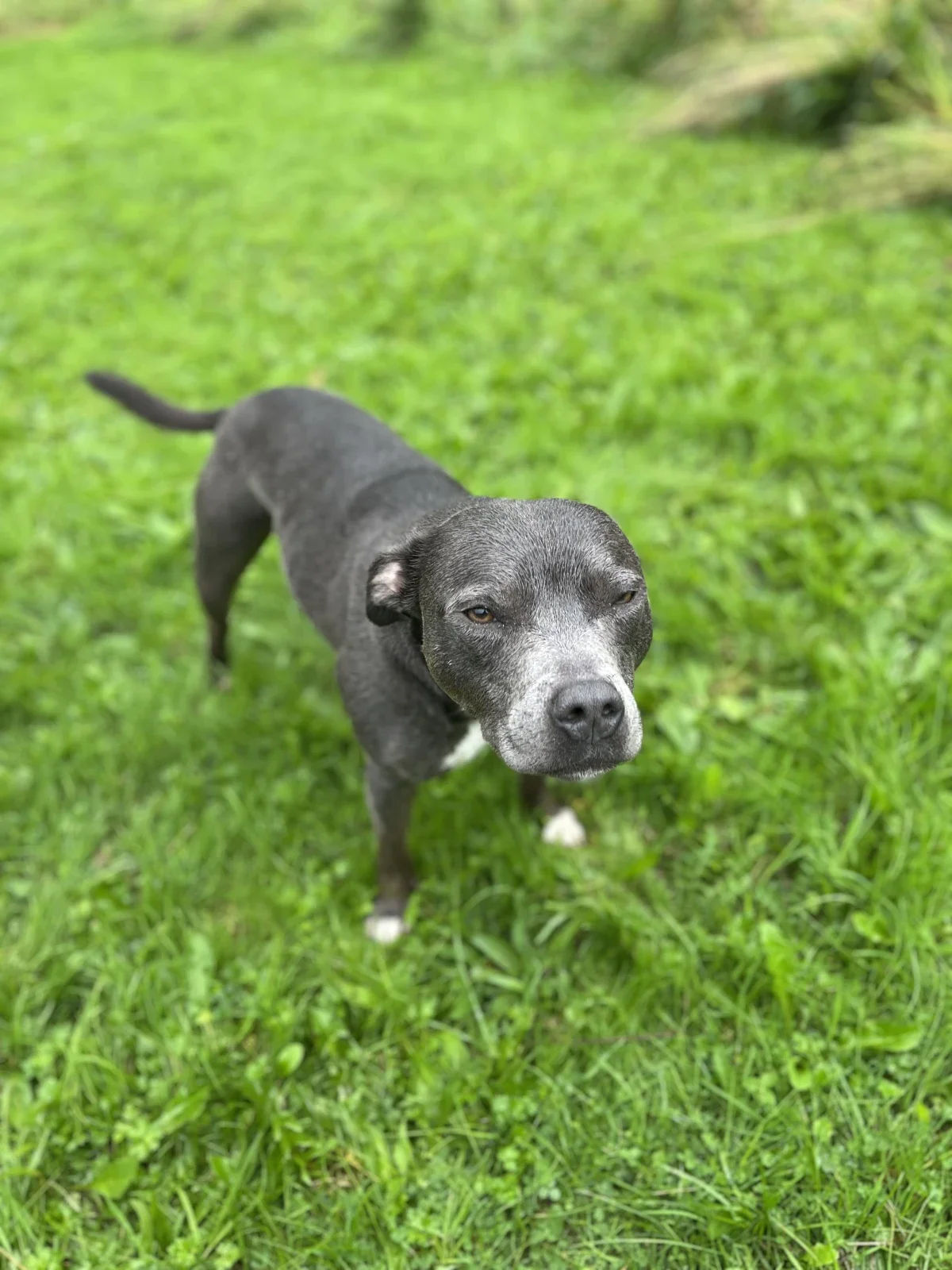
The dogs hate being walked in the rain. ☔️

I was recently speaking to someone in work that I mentor, and they asked me what my measure of success is. This is what I told her...
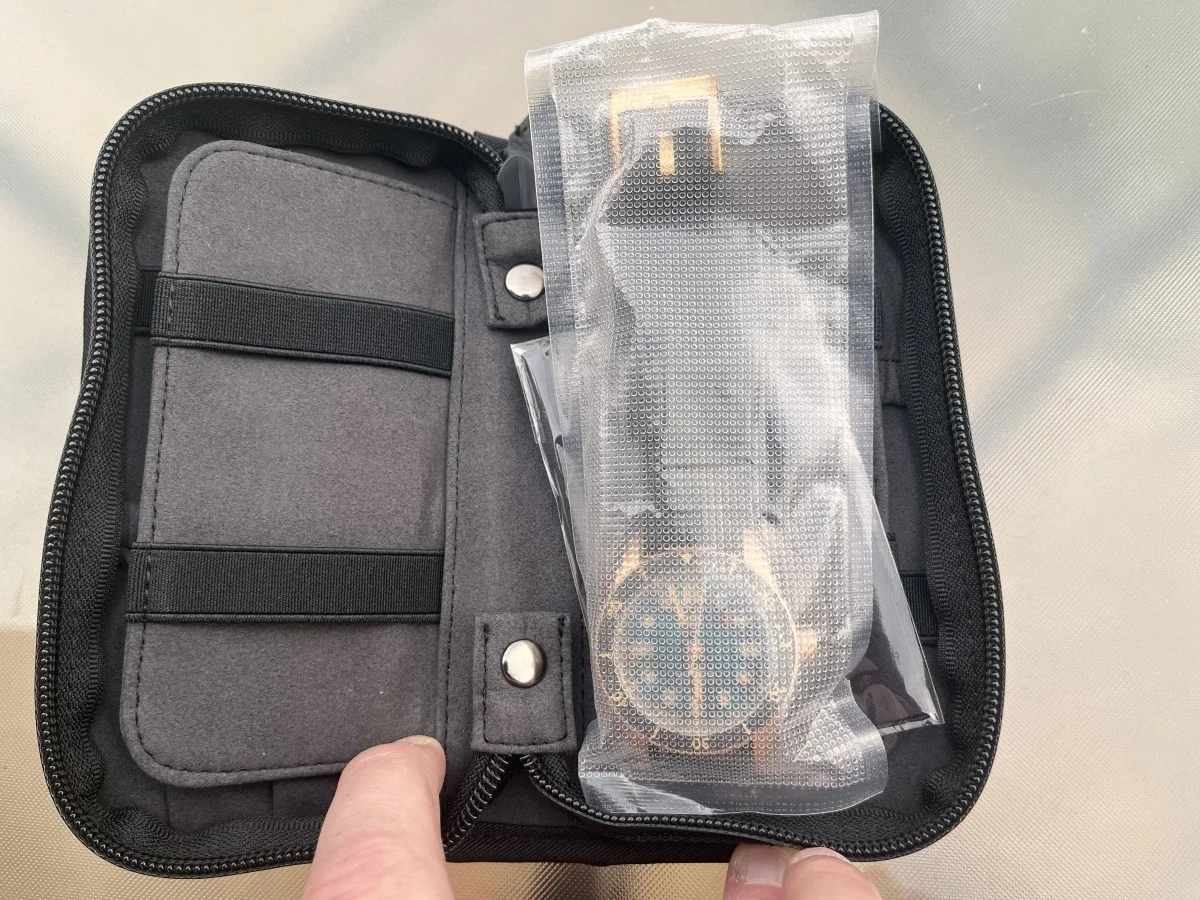
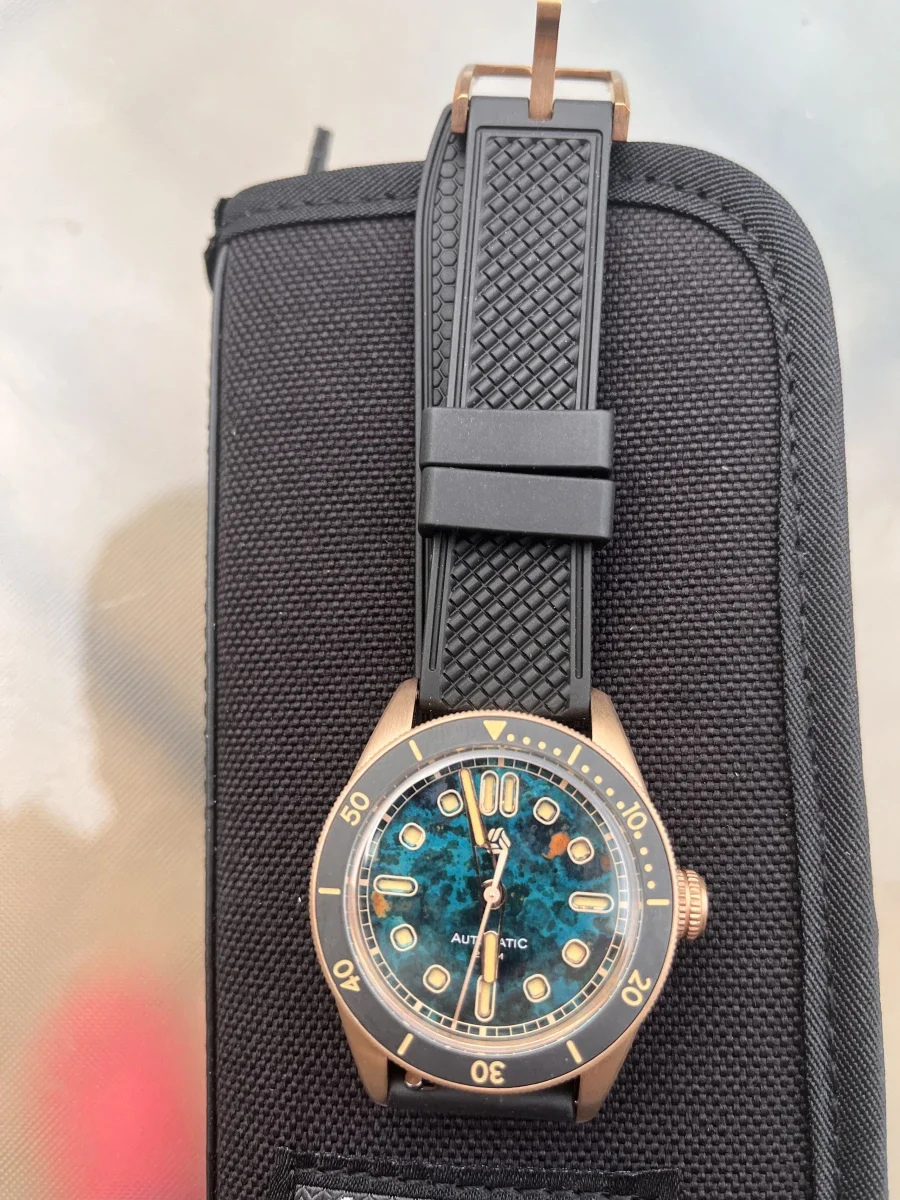
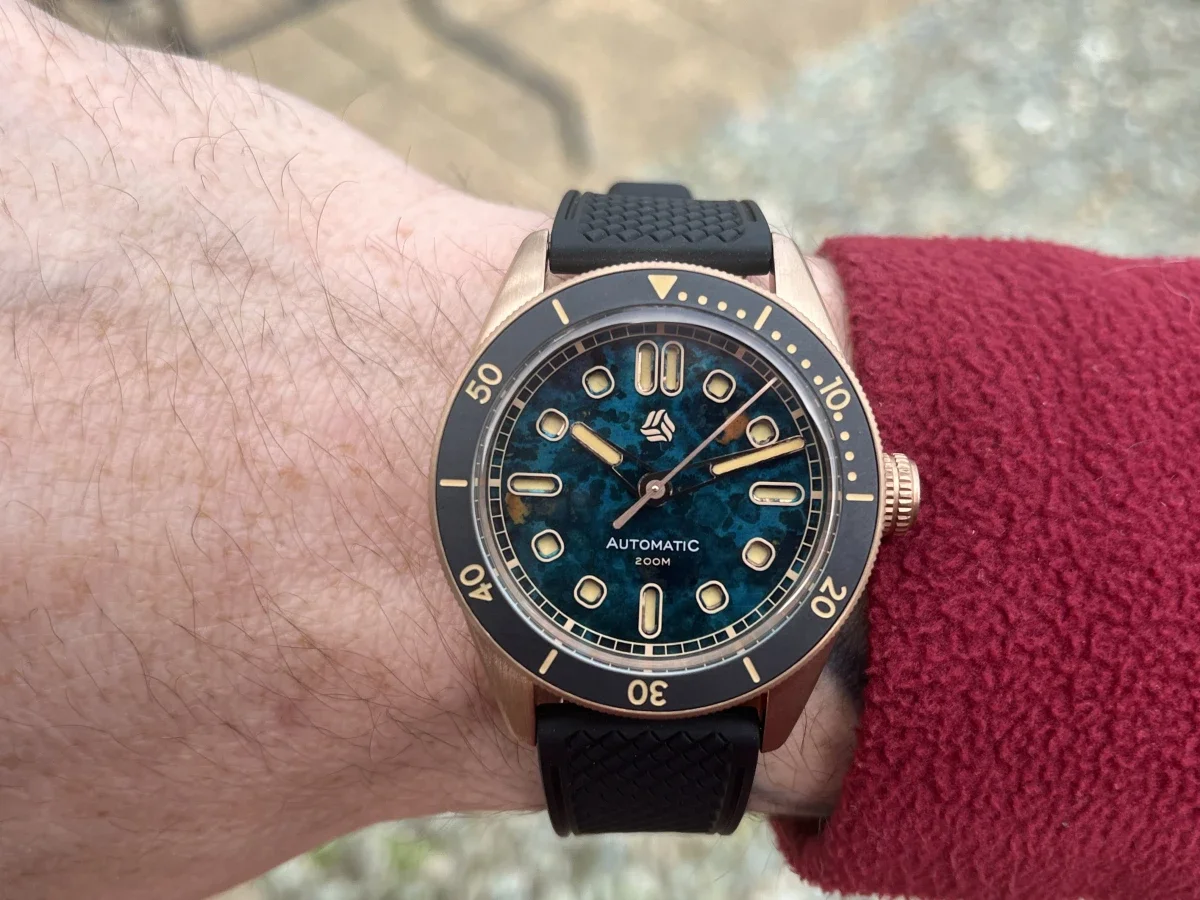
My wife ordered this watch for me 3 months ago, for my birthday. It finally turned up and it is incredible. These pictures do it absolutely no justice at all.
This is the Selten Salvage Bronze, for anyone who is interested.

Lou talks about the recent loss of his son's much loved dog, Osa. Be warned, you'll need tissues at the ready!
While still in its infancy, there's one feature that Scott would *love* to see on Mastodon - the ability to post locally only.
I hope nothing is coming the other way. 🫣

I finally broke and allowed my wife to get one of the kids an #Alexa for their birthday. They love it. I’m now silent every time I walk past his bedroom…
Wife and I finished the second season of House Of Dragons tonight. It was a crap as the first season; very little happened (again) and it ended on a massive cliffhanger.
Returning to the kingdom of Gul Kana, Princess Jondralyn has suffered a devastating loss, discovering that not all fortunes are to be assumed, not all scripture to be trusted.
I recently had the pleasure of being upgraded to Windows 11 in work, and it's utterly shite.
I went to bed last night feeling fine, but this morning I woke up and my back hurts, my knees hurt and a can’t bend down without groaning.
I checked my phone and there are multiple “happy birthday” texts. Ah yeah, I turned 40 today. Bollocks.
Kids are at their Nan’s and we went to CostCo yesterday. That means we end up having shit like this for breakfast. 😂

Wife and I went to a spa today. I had a facial treatment (my first ever). The conversation with the therapist (is that what they’re called?) went something like this…
Her: what’s your daily skincare routine?
Me: mmmm, I wash it?
Her: Okay. What type of skin do you have?
Me: Wrinkly? 🤷♂️
I don’t think I was her target demographic. 😂
I saw a post from Will recently about the CLI journalling tool, jrnl. It looked cool, but had some limitations for my needs, so I decided to build my own.
Morning walks in the field with the dogs are my favourite time of day. All I can hear is sheep bleating, chickens crowing and birds chirping. It’s the best.

I've just been upgraded to #Windows11 on my work machine, only to find that there's no longer an option to move the taskbar to the top. What the fuck is that all about??
The pea collector… 🫛

I've decided to end my PenPals experiment. It's been 9 months, and it's been a lot of fun, but it's time for it to end.